Nine numbers that keep an outbound team honest
Most outbound reporting is designed to be shown rather than used. These are the nine we actually run on, including the two nobody enjoys.
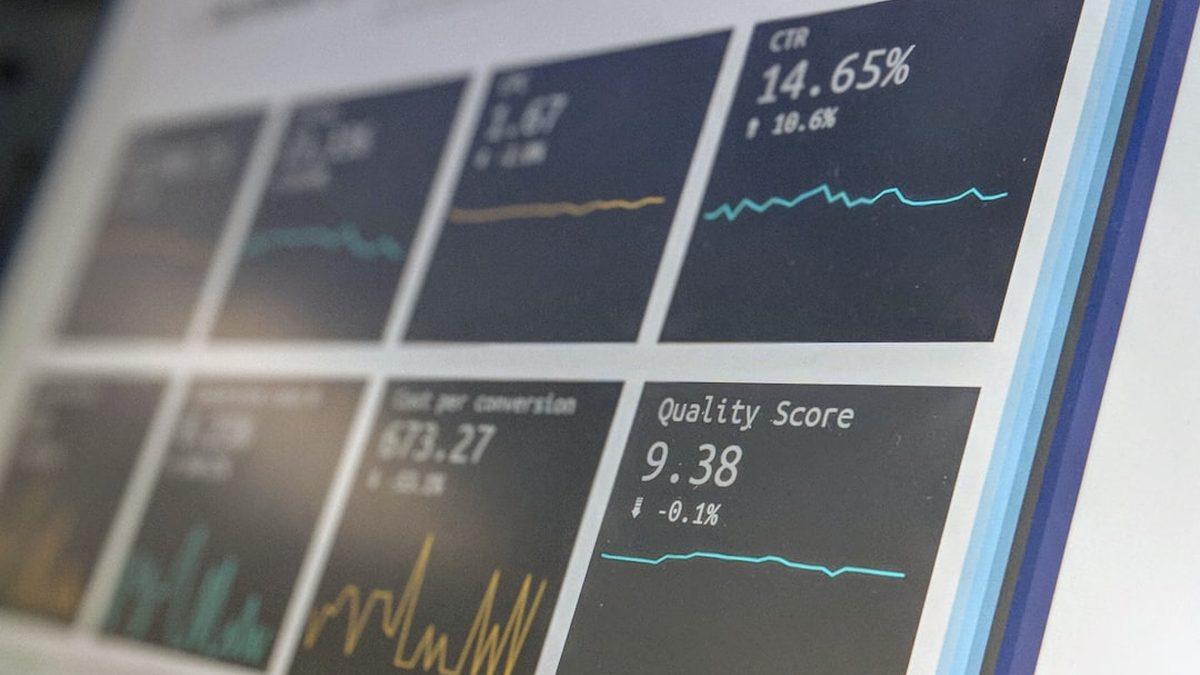
There is a version of outbound reporting that exists to reassure the person paying for it. Meetings booked, a chart that goes up, a list of impressive logos, a paragraph about momentum.
We have sent that report. It is worse than useless, because it hides the two or three facts that would let a client fix something.
Here is what we run on instead.
The four everybody has
Meetings booked. The invoice line. It measures effort and access, not much else.
Meetings held. The real number. Everything in this business happens after somebody turns up.
Hold rate. The ratio between them, tracked per segment rather than per team, because it is mostly a property of the buyer's job.
Companies introduced. Distinct organisations, not meetings. Twenty meetings with four companies is a different engagement from twenty meetings with twenty, and only one of them is market coverage.
The three that change behaviour
Second meetings. The single best early indicator we have. In a real market the buyer brings a colleague to the second conversation. In a market that is merely curious, he brings enthusiasm and nothing else. Counting second meetings is the cheapest early-market detector we know, and it tells a client to spend more or spend less months before the pipeline does.
Calls to a booked meeting. Per rep, per account. Not to rank people. To find the rep whose ratio is twice everyone else's, because he is either doing something the rest should copy or working a list that is quietly wrong.
Days from first touch to first meeting. A number that separates a slow market from a slow team, and one that reveals when a sequence has too many steps before the ask.
The two nobody enjoys
Meetings the client cancelled. Yes, we count these, and we report them next to the ones the prospect cancelled. An outbound team that never surfaces this number ends up being blamed for a hold rate that was set by the client's own diary. An honest split protects both sides and produces a better conversation than any apology.
Meetings that should not have been booked. Self-reported, by the rep, before the client says it. When one of our people cancels his own booking because the fit stopped looking real, that goes in the report as a positive. Any measurement system that punishes it produces exactly what it deserves.
How to read them together
The pattern matters more than any single figure.
High booked, low held: wrong segment or wrong ask. Look at whose diary you are competing with.
High held, no second meetings: the market is early. Say so.
Good hold rate, few companies: the team is farming a small list and calling it coverage.
Rising calls-per-meeting on a stable list: the messaging has aged. It happens faster than anyone expects, usually about ten weeks in.
The rule underneath
Report the number that would embarrass you, in the same table as the one that flatters you, every time.
Not for the moral credit. Because a client who trusts your reporting will act on it, and a client who suspects it will spend the engagement auditing you instead of selling with you. The nine numbers are not the point. The habit of publishing the inconvenient ones is.